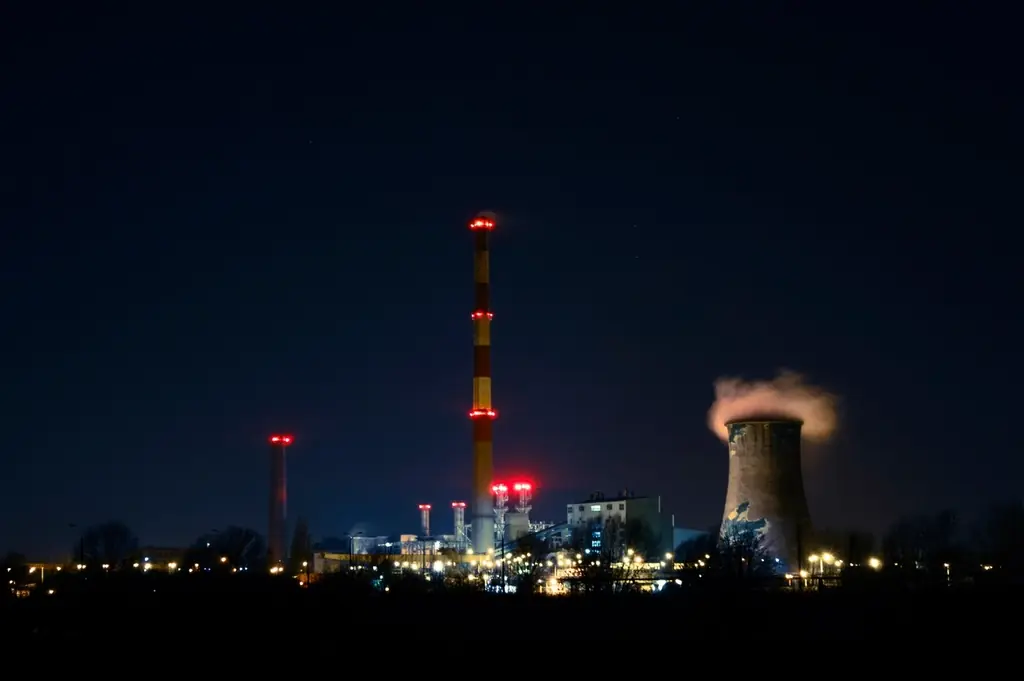
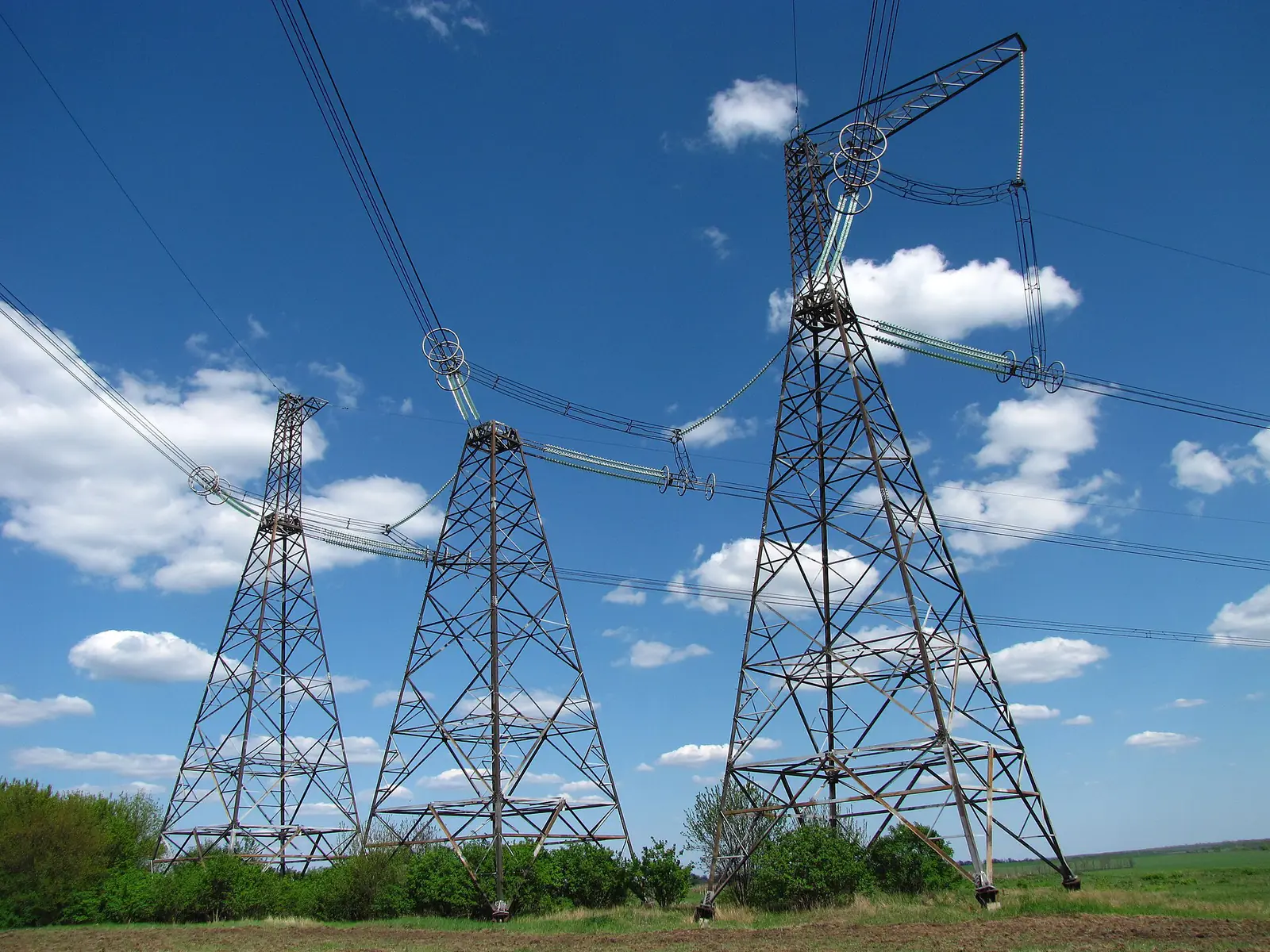
Compute is the defining utility of the 21st century. It may remain so well into the 22nd.
The commoditization of compute is already underway. Governments, institutional investors, technology companies, and infrastructure developers increasingly treat computational capacity as a strategic asset rather than simply an operational expense. At the same time, advances in tokenization point toward a future in which not only financial assets, but energy, commodities, infrastructure, and compute itself can be digitally represented, traded, and financed.
Taken together, these trends suggest a profound transformation of the global economy. The industrial economy was built around centralized production. The internet decentralized information. The next phase may decentralize economic infrastructure itself, enabling markets to operate with unprecedented speed, transparency, and efficiency.
Whether that future emerges, however, depends on a far more important question: Who controls access?
A decentralized digital economy cannot exist without decentralized access to commerce. If access to compute, capital, energy, and digital infrastructure becomes concentrated in the hands of a small number of institutions, then tokenization alone changes very little. Instead of creating a more open economy, we risk building a centralized, tokenized version of the same system—one in which ownership changes form, but power remains concentrated.
History demonstrates that every major utility eventually shapes political and economic power. Land did. Oil did. Electricity did. Today, compute is beginning to follow the same trajectory.
The concern is not technology itself. The concern is whether technological progress expands economic participation or merely reinforces existing gatekeepers.
When access becomes concentrated, innovation slows. Smaller entrepreneurs struggle to compete. Capital flows toward those already positioned to influence regulation, finance, and infrastructure. Over time, regulators risk becoming defenders of incumbents rather than guardians of competitive markets.
No economic system is perfect. Markets require rules, and institutions play an important role. The danger arises when gatekeepers cease to facilitate access and instead begin controlling it.
That distinction matters.
PermianChain was founded on this observation. Its founders experienced firsthand how concentrated systems can limit innovation, restrict access to capital, and create unnecessary barriers for emerging businesses. Rather than accepting those constraints, the company was built around a simple premise: the future digital economy should expand access to energy, compute, and digital infrastructure—not concentrate it.
Many people still think of compute as something abstract—as servers hidden inside data centres.
In reality, compute is already a utility.
Every email sent, every video streamed, every AI model trained, every financial transaction processed, every search query executed, and even your decision to read this article consumes computational resources. Behind every digital interaction lies electricity, land, fibre networks, cooling systems, capital investment, engineering talent, and physical infrastructure.
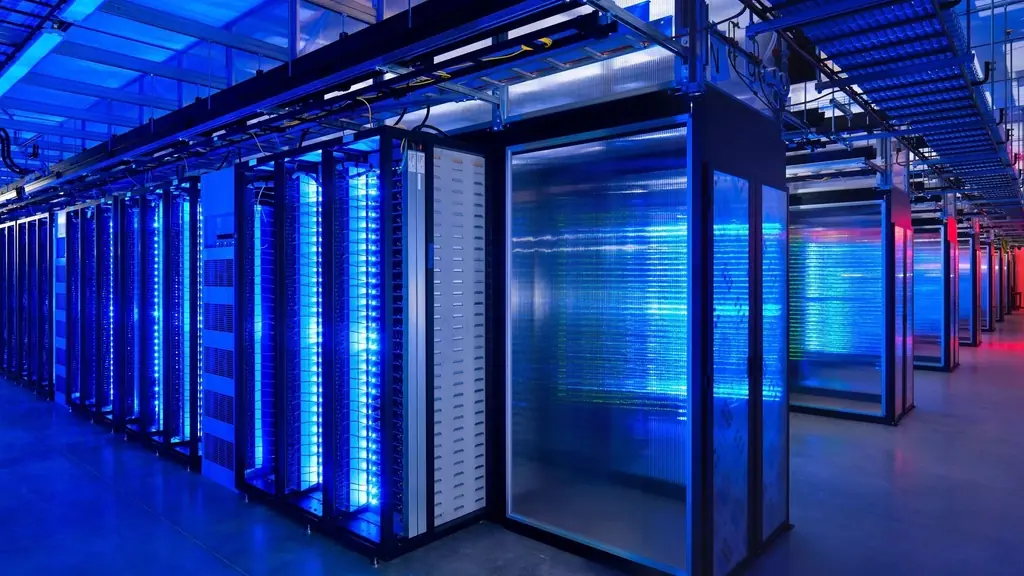
Compute is no longer merely a feature of the digital economy.
It is the infrastructure that enables the digital economy to exist.
As nations compete to build AI infrastructure and as technology companies race to secure energy and land for ever-larger data centres, a more fundamental question emerges:
Who owns the world's next utility?
Perhaps the digital reserve currency of the future is not money alone.
Perhaps it is compute.
The answer to that question will influence not only the future of artificial intelligence, but also the future distribution of wealth, opportunity, and economic freedom.
Because throughout history, those who controlled the essential utilities ultimately shaped the societies built upon them.